

Reviews: Facebook Marketplace Moving Tales
New York - When downsizing apartments in a busy city like New York, a logical person may rent a storage unit for their extra furniture. if you're less logical o...
It’s January on the East Coast. The wind chill is negative something. The radiator is doing its best. And Hack Crowens is standing in his bathroom wondering why he voluntarily turns the shower to cold every morning.
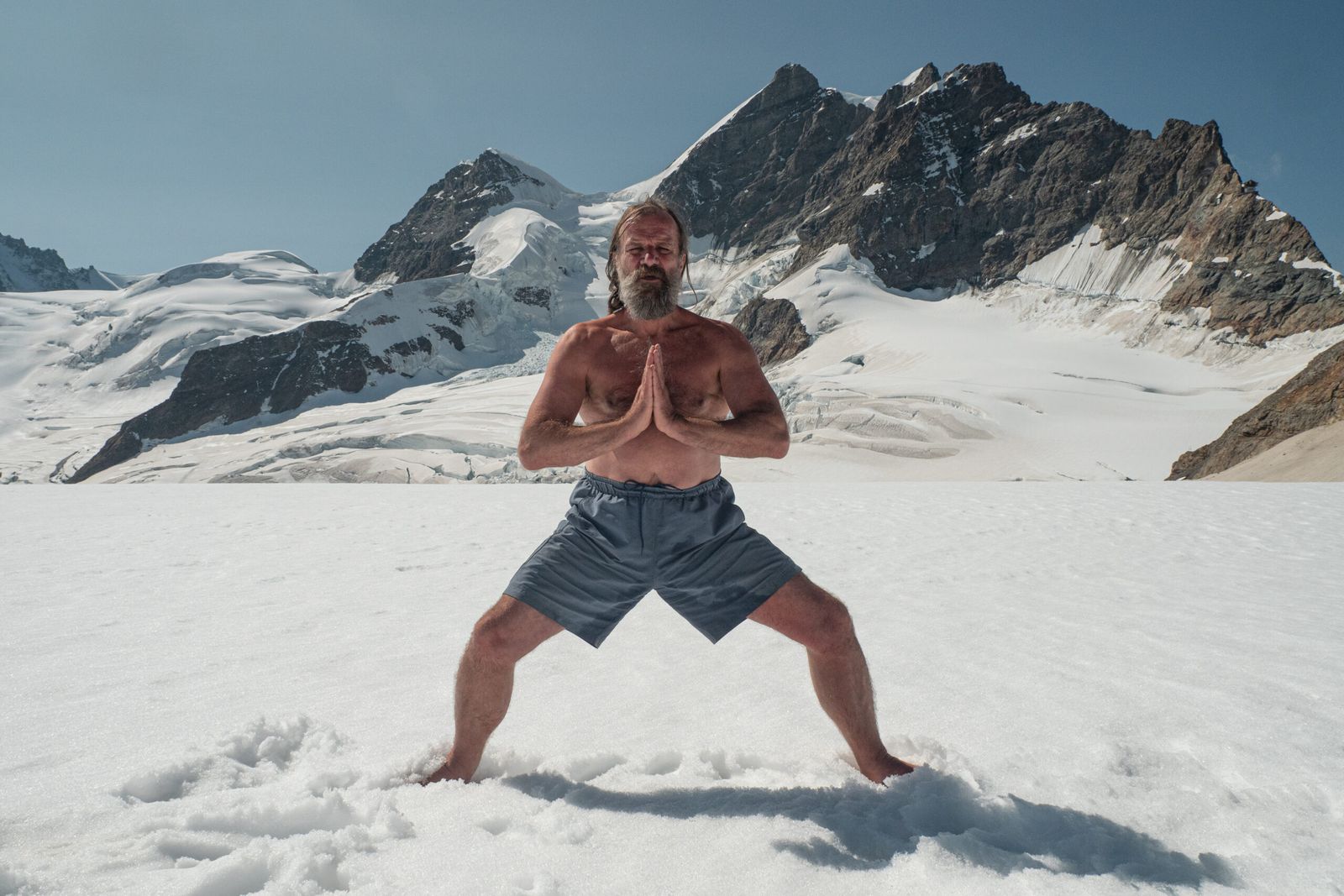
The answer traces back to a Dutch guy named Wim Hof who climbed Mount Kilimanjaro in shorts.
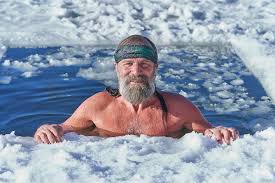
Wim Hof holds 26 world records related to cold exposure. He’s run a half-marathon above the Arctic Circle barefoot. He’s sat in ice baths for nearly two hours. Scientists have studied him and found he can voluntarily influence his immune response and body temperature through breathing techniques - things previously thought to be beyond conscious control.
His method combines three pillars: cold exposure, breathwork, and meditation. The cold part is what caught Hack’s attention during a particularly brutal cold snap. If this guy can sit in ice for hours, maybe a cold shower in a Brooklyn apartment isn’t that serious.
But Wim Hof isn’t just about toughness or willpower. The science behind what he does leads somewhere interesting: the vagus nerve.
The vagus nerve is the longest nerve in your body, running from your brainstem down through your neck, chest, and into your gut. It’s the main highway of your parasympathetic nervous system - the “rest and digest” mode that counterbalances fight-or-flight.
When you’re stressed, your sympathetic nervous system fires up: heart rate increases, breathing gets shallow, digestion slows. The vagus nerve is what brings you back down. Higher “vagal tone” means your body can shift between states more easily - ramping up when needed and calming down when the threat passes.
Cold exposure activates the vagus nerve. When cold water hits your body, it triggers a response that strengthens vagal tone over time. This is part of why Wim Hof practitioners report feeling calmer, sleeping better, and handling stress more effectively.
Dr. Stephen Porges developed polyvagal theory in the 1990s, and it’s become a framework for understanding how the nervous system responds to safety and threat. The theory identifies three states:
Ventral Vagal (Social Engagement): You’re calm, present, able to connect with others. Heart rate is steady. This is the optimal zone for daily life.
Sympathetic (Fight or Flight): Your body perceives a threat. Heart rate spikes, muscles tense, you’re ready to act. Useful in actual emergencies, less useful when triggered by an unexpected email from your boss.
Dorsal Vagal (Shutdown): When fight-or-flight doesn’t resolve the threat, the body conserves energy. This is the freeze response - fatigue, withdrawal, numbness.
The goal isn’t to avoid sympathetic activation entirely. It’s to build a nervous system that can move fluidly between states and return to baseline efficiently. Cold exposure is one way to train this capacity.

Hack’s been doing cold showers for a few weeks now. Here’s what the practice actually looks like in January:
The Breathing: Before getting in, take 30-40 deep breaths - fully in, letting the exhale fall out naturally. This oxygenates your blood and prepares your body for the cold. Some people feel lightheaded or tingly. That’s normal.
The Cold: Start with a normal warm shower, then switch to cold for the last 30-60 seconds. The initial shock triggers a gasp reflex - the key is to control your breathing through it. Slow exhales. This is where the vagal toning happens.
The Progression: Over time, extend the cold exposure. Some people work up to full cold showers, others do ice baths. The benefits seem to come from consistent practice rather than extreme duration.
January-Specific Notes: When it’s already freezing outside, the water is colder than usual. Starting with just feet and legs still activates the vagus nerve without the full-body shock. Having a warm towel ready helps your nervous system recognize there’s a safe endpoint.
Studies on the Wim Hof Method have found:
This isn’t placebo. Researchers were initially skeptical, but the physiological changes are measurable. Wim Hof himself has been tested extensively, and while he may be an outlier, the basic mechanisms appear to work for regular practitioners too.
Cold exposure isn’t the only path. The vagus nerve responds to several inputs:
Humming and Singing: Vibrations in your throat stimulate the vagus nerve. This is why chanting practices exist across cultures. Even humming while you walk has an effect.
Deep Breathing: Specifically, exhaling longer than you inhale. The 4-7-8 breath (in for 4, hold for 7, out for 8) activates the parasympathetic response. Box breathing works similarly.
Social Connection: Face-to-face interaction with people you feel safe with. The vagus nerve evolved for co-regulation - calming down in the presence of others. This is harder to replicate through screens.
Movement: Walking, especially in nature. The combination of rhythmic movement and being outdoors has measurable effects on nervous system regulation.
Creative Expression: Music, art, writing - anything that requires presence. Learning an instrument, for example, demands enough focus that the mind can’t run its usual loops.

The cold shower has become a daily practice. Not because it feels good - it doesn’t - but because the after-effects are noticeable. Baseline stress is lower. Sleep is more consistent. There’s a general sense of being less reactive.
The Wim Hof breathing happens most mornings before the shower, and sometimes at night. It’s become a way to shift gears consciously rather than waiting for the body to calm down on its own.
The other pieces - walking more, learning guitar, being intentional about face-to-face time with friends - have started to feel less like wellness chores and more like infrastructure. Things that make everything else work a little better.
Is any of this necessary? No. People have managed stress for centuries without breathwork protocols and cold exposure routines. But the science is real, the practice is free, and the East Coast winter provides unlimited cold water.
Wim Hof is still out there somewhere, probably shirtless in the snow. The rest of us are just trying to make January slightly more tolerable - and maybe building a more resilient nervous system in the process.
Until next time.
-Wack Crowens
Rating: 8/10
The Wim Hof Method and vagal toning practices get points for being evidence-based, accessible, and free. The cold exposure component requires consistent effort and tolerance for discomfort, but the nervous system benefits are measurable. Recommended for anyone looking for a structured approach to stress regulation that doesn’t require equipment or subscriptions.